Jordan Carter · 23 September 2026
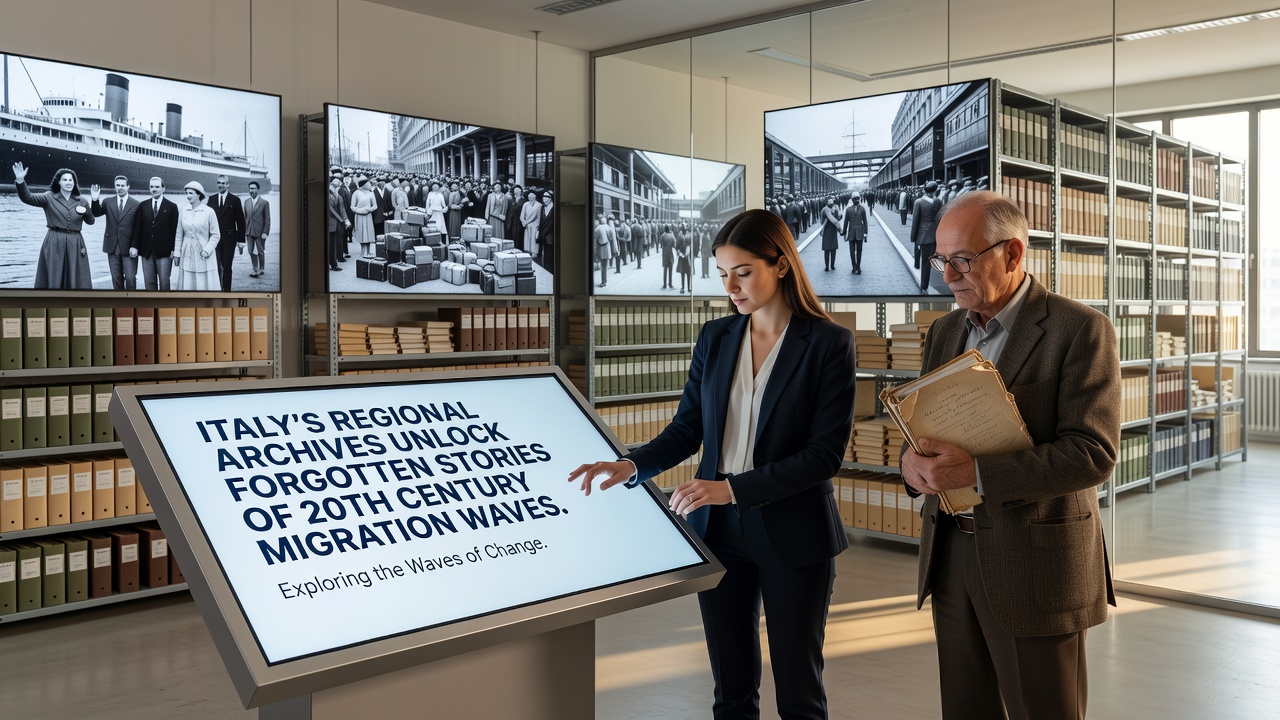
Italy's Regional Archives Unlock Forgotten Stories of 20th Century Migration Waves
Regional archives across Italy continue to reveal details about the country's extensive 20th century emigration patterns, with collections in places like Sicily, Veneto, and Campania holding passenger lists, family correspondence, and municipal records that document movements to North America, South America, and Australia between the 1900s and 1970s. These repositories, managed by local governments and cultural institutions, store materials that researchers access through ongoing digitization projects, and data from the Italian Ministry of Culture shows millions of individual files now available online for cross-border studies.
Early waves saw over 4 million Italians leave southern regions between 1900 and 1914, driven by economic pressures and land shortages, while post-World War II movements shifted toward northern Europe and Australia with roughly 2 million departures recorded through 1970. Regional archives in these origin areas preserve ship manifests from ports such as Naples and Genoa alongside village birth and marriage certificates that link individuals across oceans.
Key Migration Periods and Record Types
Archivists in Puglia and Calabria maintain ledgers from the 1920s that list emigrant destinations and occupations, while similar holdings in Lombardy track internal movements that preceded overseas travel. These documents often include handwritten annotations about return visits, and observers note that combined regional collections now exceed 10 million pages related to 20th century outflows.
Researchers cross-reference Italian parish registers with foreign immigration files to reconstruct family trajectories, and studies from the University of Melbourne indicate that Australian holdings frequently cite Italian regional sources for verification of arrival dates between 1945 and 1965. The same pattern appears in Canadian and Argentine records, where Italian municipal documents provide the starting points for citizenship claims filed decades later.
Digitization Efforts and Access Improvements
Italian regional authorities have expanded online portals since the early 2010s, with several southern archives completing major scans of emigration permits and family reunion applications by 2024. A new unified search platform scheduled for launch in September 2026 will connect holdings from 15 regions through a single interface, allowing users to query across former kingdom boundaries that once separated record systems. This development follows similar EU-wide initiatives that already link portions of Italian collections to broader European migration databases.
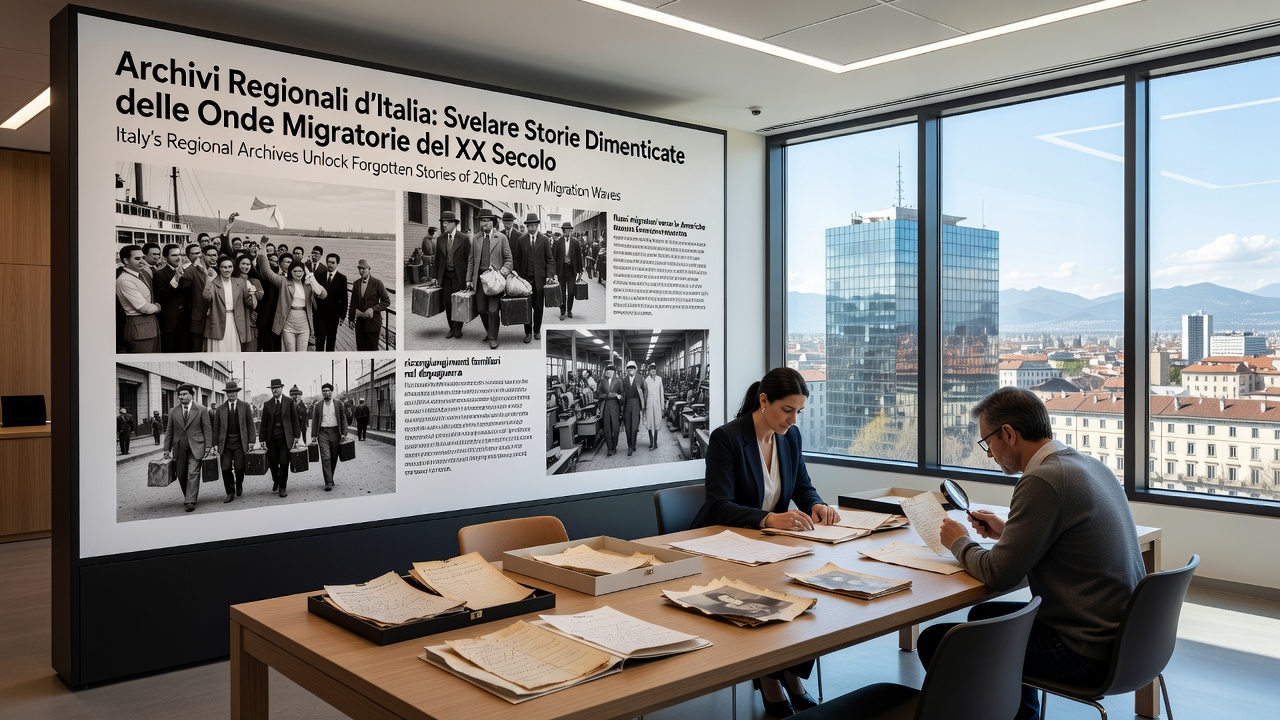
Access remains free for most public records, although some private correspondence collections require on-site approval at the originating archive. Staff at facilities in Palermo and Venice report steady increases in international queries, with requests rising 40 percent between 2018 and 2024 according to internal usage statistics. Those queries often focus on locating relatives who departed during specific decades when chain migration created clustered settlements abroad.
Case Examples from Regional Collections
One collection in the Campania archive contains letters sent from New York in the 1930s that reference village land sales back home, and cross-checks with local property deeds have clarified inheritance disputes that persisted for generations. Another set of files from Sicily details group departures organized by labor recruiters for Brazilian coffee plantations in the 1910s, with passenger counts matching entries later found in São Paulo port registers. Archivists continue to add metadata tags that connect these Italian originals to matching entries in destination-country repositories.
Similar patterns emerge in northern archives where post-war guest worker agreements with Switzerland and Germany left detailed contracts and medical certificates. These records, now partially digitized, show seasonal return patterns that differed from permanent relocation trends observed in southern collections.
Conclusion
Italy's regional archives function as primary sources for understanding 20th century population movements, and their continued digitization supports research that spans multiple continents. The upcoming 2026 platform will further integrate these holdings, while existing links already connect Italian municipal records to international immigration datasets maintained by institutions in Australia, Canada, and the United States. Researchers and genealogists rely on these combined resources to trace individual stories within the larger demographic shifts that shaped both Italy and its diaspora communities.