Finley Jenkins · 7 October 2026
Italy's Street Art Evolution Fuels Neighborhood Revitalization Efforts
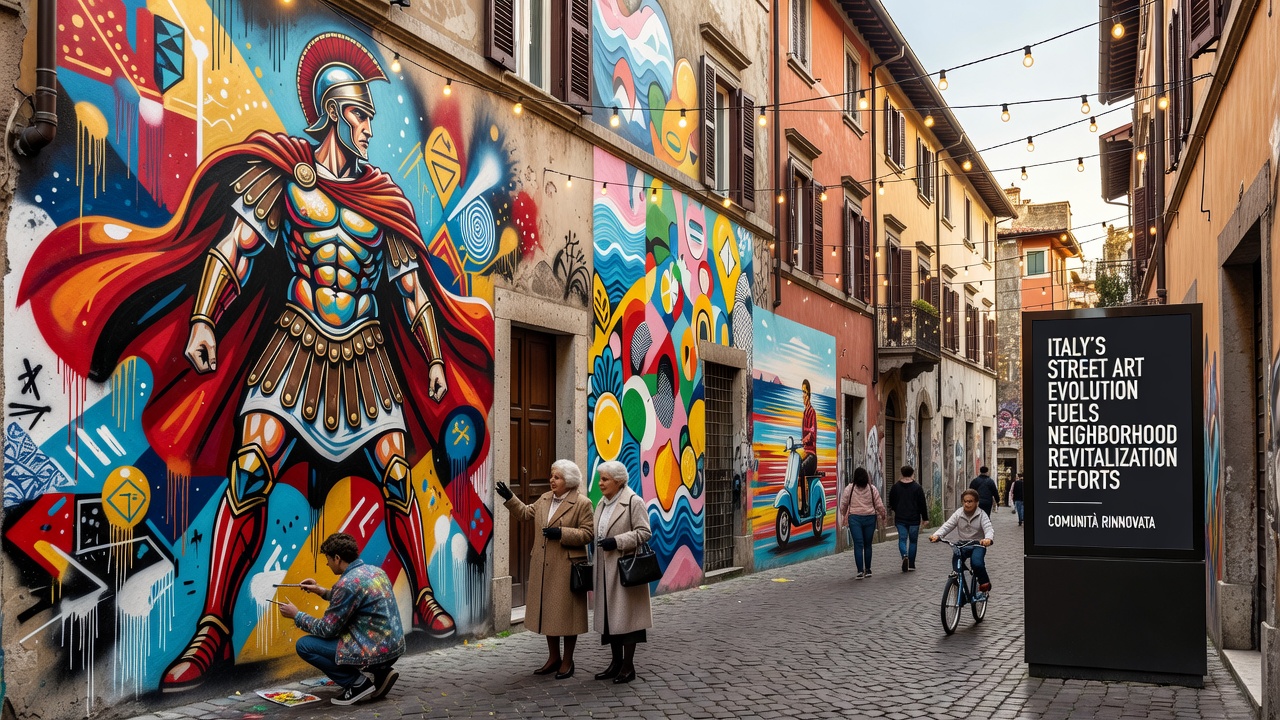
Street art in Italy has moved from scattered graffiti tags in the late 20th century to large-scale mural projects that reshape urban spaces, and observers note how this shift coincides with targeted revitalization programs in multiple cities. Cities like Rome, Milan, and Naples have seen abandoned warehouses and declining districts gain new attention once artists received permissions to work on public walls, while local authorities tracked changes in foot traffic and local business activity through municipal reports. Research from Italian cultural agencies shows that neighborhoods with coordinated street art installations often record increases in visitor numbers within two years of project completion, though the exact mechanisms vary by location and scale.
Historical Development of Street Art Practices
Early street art efforts in Italy during the 1980s and 1990s centered on political slogans and small tags in industrial zones of Turin and Genoa, yet by the early 2000s artists such as Blu and 108 began producing figurative murals that attracted attention from galleries and city planners alike. These works appeared in peripheral districts where property values had stagnated, and city records indicate that permissions granted for legal walls reduced incidents of illegal tagging in surrounding blocks. Data compiled by regional heritage offices reveal that between 2010 and 2020 the number of sanctioned mural projects rose steadily in northern and central regions, with artists collaborating alongside architects on pieces that referenced local history or environmental themes.
Neighborhood Transformations in Key Cities
In Rome the Ostiense district underwent visible changes after several large murals appeared on former industrial buildings, and municipal statistics document a rise in guided walking tours focused on the artwork between 2015 and 2024. Similar patterns emerged in Milan’s Isola neighborhood, where street art pieces installed during regeneration initiatives drew younger residents and small enterprises into previously underused spaces, according to chamber of commerce filings. Naples offers another case where artists painted on walls in the San Giovanni a Teduccio area, and local government reports note subsequent improvements in public lighting and waste collection that followed the arrival of new cultural events.
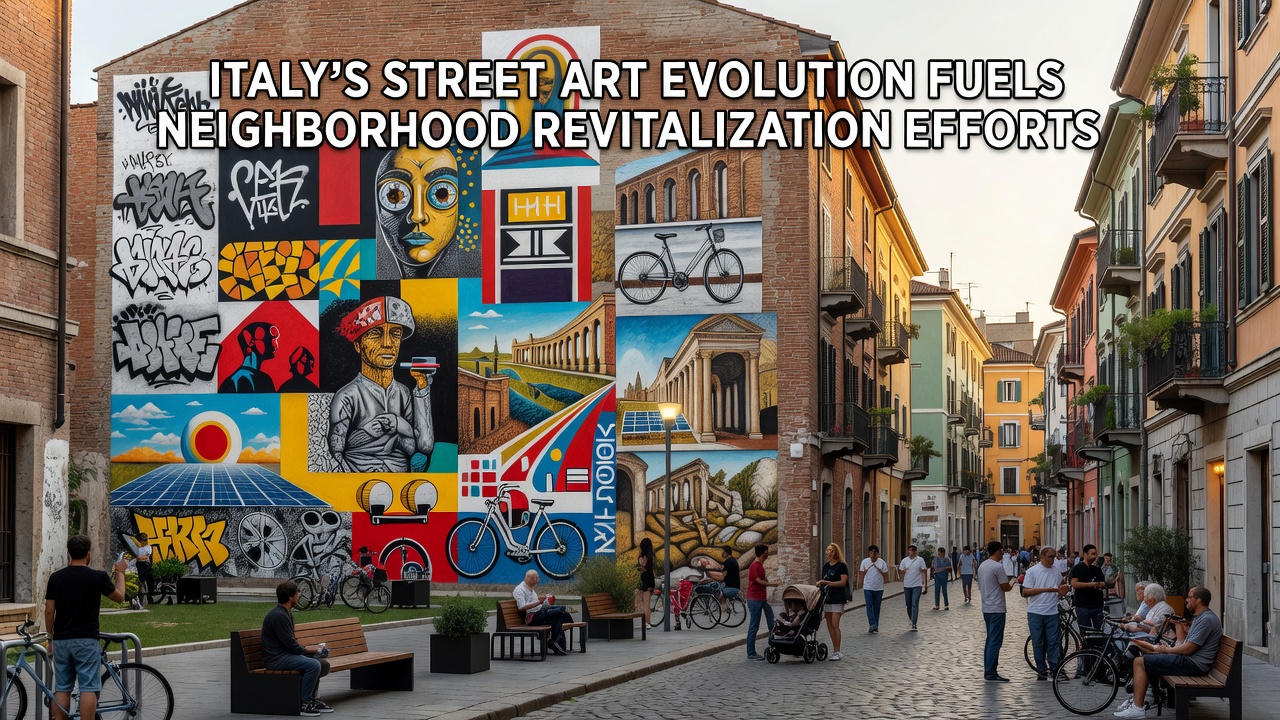
Observers tracking these developments point out that the presence of recognizable artworks often serves as an initial draw for external funding, after which infrastructure upgrades receive priority in city budgets. In several documented instances property owners reported higher occupancy rates once murals became local landmarks, although outcomes depend on complementary investments in safety and accessibility.
Role of Public Policy and Community Initiatives
Italian regional governments have introduced frameworks that allow artists to apply for wall permits through streamlined online portals, and the Ministry of Culture maintains databases listing approved projects across the country. European Union cultural programs have supplied grants that support cross-border artist exchanges, with Italian municipalities participating in networks that share best practices on integrating murals into broader urban plans. Community groups in affected neighborhoods frequently organize festivals that coincide with new installations, and attendance figures released by organizers show consistent growth when events align with national tourism calendars.
October 2026 Programming and Upcoming Events
Plans announced for October 2026 include a series of coordinated mural unveilings in Bologna and Catania, timed to overlap with regional heritage weeks, and organizers expect participation from both established artists and emerging local talents. City councils in these areas have allocated portions of cultural budgets to cover materials and scaffolding, while tourism boards prepare maps that highlight routes connecting new works with existing museums. Preliminary schedules released by event coordinators list workshops on mural conservation alongside public discussions about the long-term maintenance of outdoor artworks.
Economic Indicators and Visitor Patterns
Figures released by the Italian National Institute of Statistics indicate that districts hosting prominent street art installations experienced measurable upticks in overnight stays during shoulder seasons, and several hotel associations reported extended booking windows when murals featured in promotional materials. Studies conducted by university research teams in Lombardy and Lazio examined tax revenue changes following large projects and found correlations with increased commercial activity, though researchers emphasize that street art functions as one element within larger revitalization packages. External analyses from the European Commission cultural portal place Italian experiences alongside similar efforts in other member states, noting shared challenges around upkeep and community involvement.
Conclusion
Italy’s street art trajectory demonstrates how visual interventions on public surfaces can intersect with official regeneration strategies across multiple regions, and ongoing documentation from cultural agencies continues to track outcomes in employment, tourism, and property metrics. Events scheduled for October 2026 will add further data points to existing records, while policy adjustments at municipal and national levels refine the conditions under which artists and planners collaborate. Continued monitoring by research institutions provides the factual basis for understanding these developments as they unfold.